In Cold Weather, Alpha Volunteer Firefighters Fight More Than Just Fire
December 7, 2018
Cold weather brings a whole new set of challenges to firefighters, fire police and first responders. From accessing and safely preparing the emergency scene, to the unique extremes placed on both firefighter and equipment alike, cold weather firefighting requires a combination of preparation and understanding that makes it an altogether different animal.
 The Extreme Challenges of Extreme Cold Weather Emergency Response.
When temperatures hit freezing or below, just getting to the scene can be an adventure. Icy roads, snowfall, high winds—all can hamper an Engine or Truck’s ability to simply get to where it needs to be, and once there, make access to hydrants and water difficult. We’re loaded for winter bear with appropriate tire chains (if necessary), road salt, sand, larger diameter supply lines to minimize freezing—anything we can bring to mitigate the challenges of ice, snow and cold.
Ever wonder why many fire hydrants have those thin reflective poles affixed to them? It’s so we can find them during major snow events.
While firefighters on the active fire ground are always at risk of HYPERthermia (
body temperature that gets dangerously high), severe cold also presents the risk of HYPOthermia (
body temperature that gets dangerously low) as well as frostbite, even in our insulated turnout gear. This is because time spent in an active fire is relatively brief by comparison to the many hours we could potentially spend in the cold.
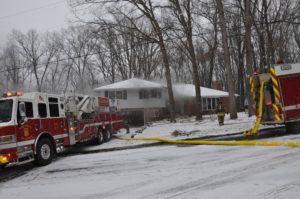
Our turnout gear is designed to protect us from the heat of the fire, not from the extremes of cold. (
Learn more about our gear, here.) For cold weather response, however, we must balance how many additional layers we wear beneath our gear with the reality that we are going to sweat or possibly be doused with water—be covered in moisture that will be exposed to cold temperatures for long periods of time.
Responding During Cold Weather Is An Exercise In Patience And Vigilance.
Rotating personnel into the fight and then out into an environment of warmth becomes particularly critical during cold weather. Special care must be taken to swap out soaked layers of clothing (
and sometimes extra turnout gear) if possible. Warm beverages, warm food and space heaters on hand can help, but the most important element is on-scene vigilance and acceptance of human limitations.
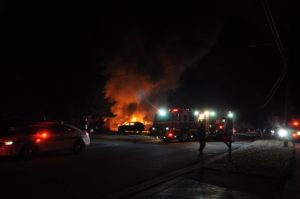
Firefighters have to delicately balance adding layers that provide extra insulation with the added weight and limitation of mobility extra layers beneath the gear can cause. Firefighters dressed for the cold are likely to become fatigued even faster, and it is not uncommon for a firefighter to be drenched in sweat on the inside and covered with ice on the outside.
SCBA gear (breathing apparatus) also takes a beating, and special care must be made when swapping out tanks to avoid moisture in the supply lines.
It IS A Cold Day In Hell Sometimes—So Alpha’s Do What We Always Do.

We prepare. We train. We remain tuned into the condition of our first responders and firefighters. We watch the weather and monitor road conditions religiously. We improvise if necessary, but respond always with the safety and health of our firefighters in mind to battle the winter elements the same way we respond to all emergencies:
With everything we’ve got.
Read more about Alpha training here.


